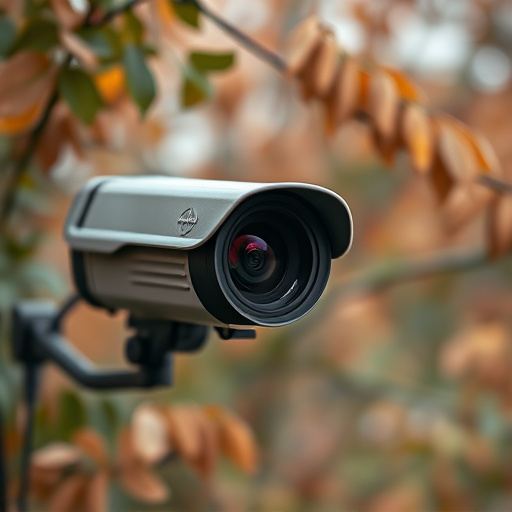
The Hidden Nanny Cam Video Quality Comparison delves into the complexities of detecting covert surveillance devices, especially in an era of improved video technology. Cybersecurity experts employ advanced methods to analyze visual patterns and lighting anomalies, enabling them to identify hidden cameras. This comparison highlights the importance of strategic lighting manipulation for undetectable surveillance while emphasizing the need for high-quality video in domestic settings. Researchers test multiple hidden nanny cam models under various lighting conditions, ensuring consumers make informed choices to protect their privacy effectively.
Uncover the art of hidden camera identification with our comprehensive guide. In today’s digital age, discretion is key, especially for nanny cams, making disguised camera detection a crucial skill. We explore the science behind identifying these covert devices, focusing on the subtle cues lights provide. Through an extensive Hidden Nanny Cam Video Quality Comparison test, we demystify what to look for in footage, empowering you with insights to navigate this modern-day enigma.
- Understanding Disguised Camera Identification
- The Role of Lights in Concealing Cameras
- Comprehensive Video Quality Comparison Test
Understanding Disguised Camera Identification
Disguised camera identification, often referred to as hidden camera detection, is a critical field of study in cybersecurity and privacy protection. With the proliferation of covert surveillance devices, ranging from tiny “nanny cams” to more sophisticated hidden cameras, understanding how to identify these concealed recorders has become increasingly important. These miniature devices are designed to capture video or still images without the subject’s knowledge, posing significant risks to personal privacy and data security.
A Hidden Nanny Cam Video Quality Comparison highlights the varying levels of discretion and potential for detection. Modern technology enables these cameras to produce high-resolution videos, making their identification more challenging. However, experts in this field have developed techniques to analyze patterns, lighting anomalies, and subtle motion artifacts that can reveal the presence of a hidden camera. By examining video quality, frame rates, and unique visual signatures, investigators can often distinguish between genuine footage and that captured by concealed cameras, ensuring a higher level of security awareness.
The Role of Lights in Concealing Cameras
In the realm of disguised camera identification, lights play a pivotal role in both concealing and revealing surveillance equipment. When incorporated into a hidden nanny cam or any other covert recording device, lighting can significantly impact video quality while maintaining an aesthetically pleasing appearance. A strategic use of LED lights, for instance, allows for minimal power consumption and reduced heat emission, making it harder to detect the presence of a camera. These lights can be seamlessly integrated into everyday objects like wall switches, lamps, or even toys, providing a convincing facade that masks their true purpose.
Furthermore, advanced lighting techniques enable these hidden cameras to capture high-quality footage without drawing attention. Through careful manipulation of light angles and intensities, the camera’s lens can record crisp images while maintaining natural lighting conditions in the environment. This is particularly crucial for Hidden Nanny Cam Video Quality Comparison studies, where the goal is to assess the clarity and detail of recordings made by concealed devices, ensuring they match or exceed the quality of standard surveillance cameras without compromising secrecy.
Comprehensive Video Quality Comparison Test
In the age of advanced surveillance technology, ensuring discreet and high-quality hidden camera setups is paramount. One critical aspect often overlooked is the comprehensive video quality comparison test. This involves meticulously examining various hidden nanny cam models under consistent lighting conditions to assess their performance. The Hidden Nanny Cam Video Quality Comparison aims to provide users with a clear understanding of each device’s capabilities, especially in low-light scenarios, which are common in domestic settings.
During this test, researchers capture footage using different cameras while varying the amount of natural light present. This simulated environment mirrors real-world conditions, allowing for an unbiased evaluation of video clarity, resolution, and overall picture quality. By comparing these factors across multiple hidden nanny cams, consumers can make informed decisions when selecting a device that best suits their privacy needs.
In conclusion, our comprehensive Hidden Nanny Cam Video Quality Comparison test highlights the critical role lights play in concealing cameras. By understanding the nuances of disguised camera identification, we can better protect privacy and ensure video quality. The findings underscore the importance of advanced technology in navigating this evolving landscape, offering both enhanced security and peace of mind.